News

How Can an Outdoor Free-Standing Corner Cabinet Transform Your Outdoor Living Space

2026-10-12 0 Leave me a message

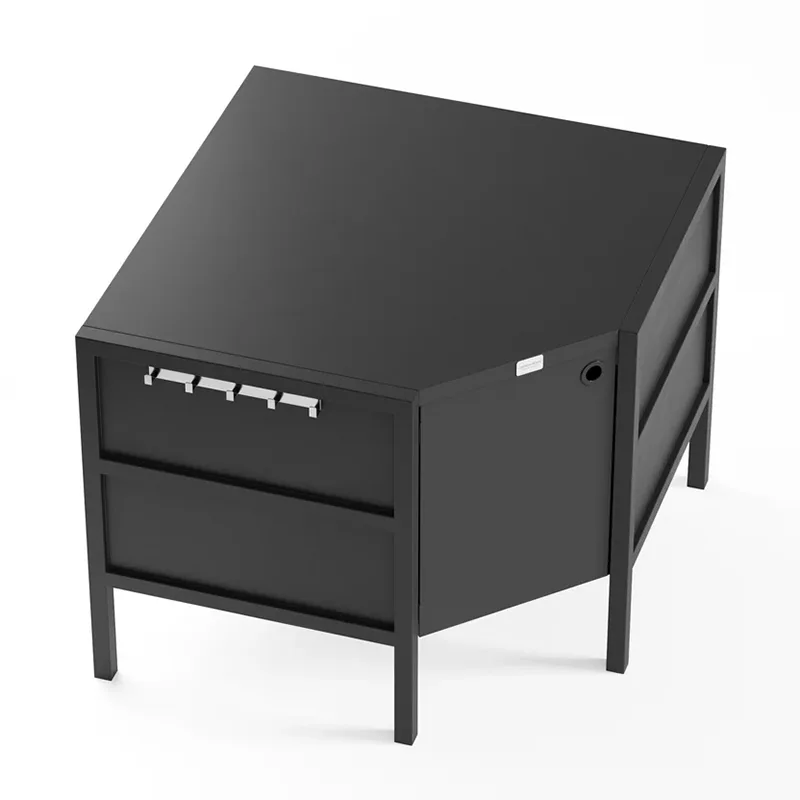
Olifurniture offers practical outdoor furniture solutions designed to help homeowners make better use of their exterior spaces. An Outdoor Free-Standing Corner Cabinet is a smart choice for organizing patio essentials, improving outdoor storage, and creating a more functional garden, balcony, or outdoor entertaining area without sacrificing valuable floor space.

An outdoor corner cabinet combines space-efficient design with convenient storage for everyday outdoor living. By utilizing underused corners, this freestanding furniture piece helps keep gardening supplies, dining accessories, and other outdoor essentials organized and accessible. Choosing the right cabinet requires attention to material durability, weather exposure, dimensions, storage capacity, and maintenance requirements. This guide explains the main benefits, practical applications, purchasing considerations, and care tips to help buyers select an outdoor storage solution that suits their space and lifestyle.

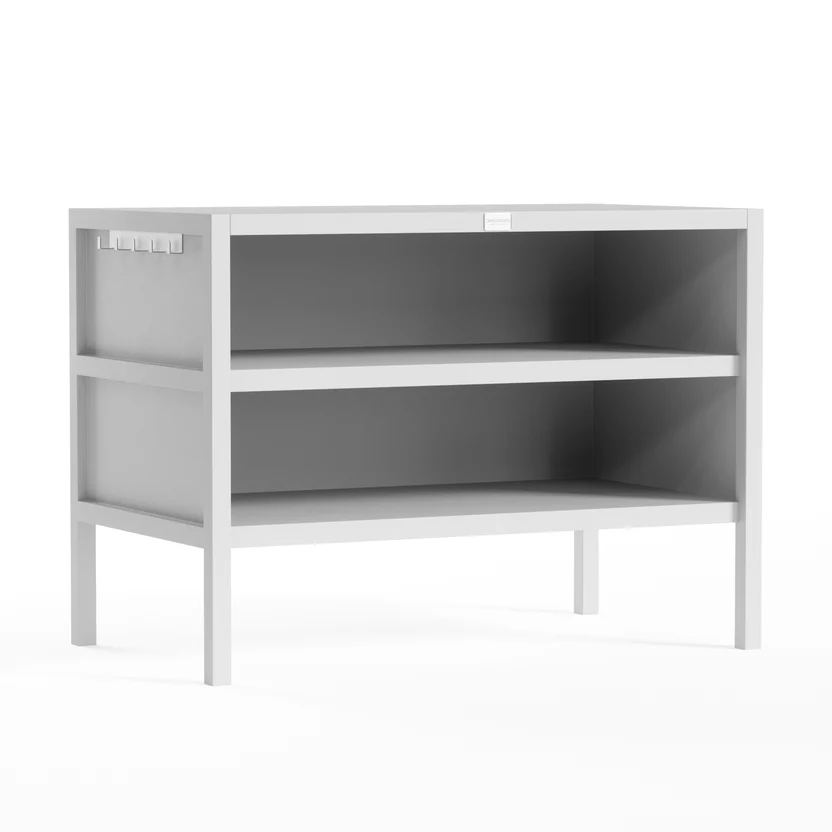
Outdoor Free-Standing Corner Cabinet

Table of Contents

1. Why Choose an Outdoor Free-Standing Corner Cabinet?

2. Key Benefits for Outdoor Living

3. Where Can You Use an Outdoor Corner Cabinet?

4. Materials and Weather Resistance

5. How to Choose the Right Cabinet

6. Comparing Outdoor Storage Solutions

7. Maintenance Tips for Long-Term Use

8. Frequently Asked Questions

9. Final Thoughts


1. Why Choose an Outdoor Free-Standing Corner Cabinet?

Outdoor spaces often need to serve several purposes. A patio may function as a dining area, a garden balcony may double as a relaxation zone, and a backyard may include separate spaces for cooking, gardening, and entertaining. Without an effective storage arrangement, these areas can quickly become cluttered.

An Outdoor Free-Standing Corner Cabinet addresses this challenge by making use of corners that might otherwise remain empty. Its placement can help preserve open walking areas while providing a dedicated location for frequently used accessories.

Unlike permanently installed storage, a freestanding cabinet can generally be positioned without building a fixed enclosure. Depending on its construction and weight, it may also be easier to relocate when outdoor furniture layouts change.

This type of cabinet can be particularly useful for:

  • Keeping outdoor dining accessories organized and within reach.
  • Storing gardening tools and small maintenance supplies.
  • Reducing visual clutter around patios and balconies.
  • Creating a coordinated appearance alongside outdoor tables and chairs.
  • Making compact exterior spaces more functional.

For homeowners who want a tidy outdoor environment without undertaking a major renovation, a thoughtfully selected corner cabinet can be a practical addition.


2. Key Benefits for Outdoor Living

Efficient Use of Available Space

The corner-oriented design helps turn unused areas into useful storage zones. This is valuable on narrow balconies, small patios, and compact terraces where every square foot matters. Positioning storage against a suitable corner can leave more room for seating, movement, and everyday activities.

Convenient Organization

Outdoor accessories are easier to manage when they have a designated storage location. Depending on the cabinet's internal configuration, shelves or compartments may accommodate plant-care supplies, tableware, cushions, and other lightweight items.

Before storing anything, check the cabinet's load capacity, ventilation, and moisture protection. Food, textiles, and other moisture-sensitive items may require additional protection in exposed outdoor environments.

Flexible Placement

A freestanding design offers flexibility for changing outdoor layouts. For example, a homeowner may move storage closer to a gardening area during planting season or position it beside a dining space when hosting guests. Actual portability depends on the cabinet's dimensions, weight, and construction.

A More Organized Appearance

Visible clutter can make even an attractive outdoor space feel unfinished. A cabinet creates a defined place for accessories, helping maintain a cleaner and more coordinated appearance. Selecting a finish that complements existing furniture can further improve the overall design.


3. Where Can You Use an Outdoor Corner Cabinet?

The versatility of an outdoor storage cabinet makes it suitable for a variety of residential and hospitality settings. The best placement depends on the intended use, available space, and level of exposure to the elements.

Patios and Terraces

On a patio, the cabinet can hold outdoor dining accessories, small serving items, or decorative objects. Positioning it near a dining table or seating arrangement makes frequently used items easier to access without filling the center of the space with additional furniture.

Gardens and Planting Areas

Gardeners may use a corner cabinet to organize gloves, hand tools, plant labels, and other compact supplies. Items that could be damaged by humidity should be stored in suitable protective containers, particularly if the cabinet is not fully weatherproof.

Balconies and Compact Outdoor Areas

Balconies benefit from furniture that provides useful storage without creating unnecessary obstructions. Before installation, measure the available corner and preserve sufficient clearance for doors, railings, windows, and walkways.

Outdoor Hospitality Areas

Hotels, cafés, restaurants, and other hospitality businesses may use outdoor storage furniture to organize nonperishable service accessories or maintenance supplies. Commercial buyers should evaluate construction quality, expected usage frequency, cleaning requirements, and the manufacturer's specifications before choosing a model.


4. Materials and Weather Resistance

Material selection plays a major role in the service life and maintenance requirements of outdoor furniture. Sunlight, rain, temperature fluctuations, humidity, and airborne contaminants can gradually affect finishes and structural components.

When evaluating an outdoor corner cabinet, consider the following common material options.

  • Powder-coated metal: Offers a contemporary appearance and can provide useful surface protection when the coating is properly applied and maintained. Damaged coatings may expose the underlying metal to corrosion.
  • Outdoor-treated wood: Provides a natural appearance that suits gardens and traditional patios. It may require periodic cleaning, sealing, or refinishing depending on the wood species and finish.
  • Weather-resistant synthetic materials: Can be relatively easy to clean and may resist moisture well. Buyers should confirm the product's resistance to ultraviolet exposure and temperature changes.
  • Stainless steel components: Can be useful in demanding outdoor environments, although corrosion resistance depends on the grade, surrounding conditions, and maintenance practices.

It is important to distinguish between water-resistant, weather-resistant, and waterproof construction. These terms do not necessarily describe the same level of protection. A cabinet intended for a covered patio may not be suitable for continuous exposure to driving rain or standing water.

Review the product specifications for information about the frame, panels, surface treatment, hardware, and recommended installation environment. You can also explore Olifurniture's outdoor furniture range when comparing products for your space.


5. How to Choose the Right Cabinet

A good purchasing decision starts with the space available and the items you plan to store. Appearance matters, but practical considerations determine whether the cabinet will work well over time.

Measure the Installation Area

Measure both sides of the intended corner, the available depth, and the maximum acceptable height. Include room for door movement and access to adjacent furniture. Check whether the floor is level and strong enough to support the cabinet and its contents.

Evaluate Storage Capacity

List the items that will be stored and estimate their dimensions and combined weight. Adjustable shelves can offer greater flexibility, while enclosed compartments may help keep stored items out of sight. Verify the manufacturer's stated load limits rather than assuming that all shelves can support heavy objects.

Match the Material to the Environment

A sheltered balcony has different requirements from an uncovered garden exposed to frequent rainfall. Consider local weather, direct sunlight, coastal salt exposure, and seasonal temperature changes when selecting a material and finish.

Check Assembly and Stability

Review the assembly instructions, hardware requirements, and floor-clearance recommendations. A cabinet should stand securely on a suitable surface. If the location experiences strong winds or the cabinet is tall and narrow, follow the manufacturer's anchoring and stability guidance.

Consider Cleaning and Maintenance

Choose a surface that suits your maintenance routine. Smooth finishes may be easier to wipe down, while textured surfaces and decorative details may require additional attention. Confirm which cleaning products are safe for the selected material.

Use this checklist before ordering:

  • Confirm the cabinet's exact dimensions and weight.
  • Check the intended outdoor exposure and weather-resistance specifications.
  • Verify shelf arrangement, storage capacity, and load limits.
  • Review assembly instructions and stability requirements.
  • Compare the finish with existing outdoor furniture.
  • Ask about packaging, delivery, warranty coverage, and after-sales support.

6. Comparing Outdoor Storage Solutions

Not every outdoor area needs the same storage arrangement. Comparing common options can help buyers decide whether a corner cabinet is the most suitable choice.

Storage Solution Main Advantage Potential Limitation Best-Suited Application
Outdoor free-standing corner cabinet Uses corner space efficiently Capacity depends on its shape and dimensions Patios, balconies, and compact outdoor areas
Outdoor storage bench Combines seating with storage May occupy more linear floor space Gardens, decks, and seating areas
Outdoor storage box Provides a simple space for larger accessories May offer less compartmental organization Cushions, garden accessories, and seasonal items
Wall-mounted storage unit Keeps items off the floor Requires a suitable wall and secure installation Covered patios and utility areas
Large outdoor cabinet Can accommodate more equipment Requires more installation space Large gardens and dedicated outdoor work areas

The most suitable option depends on the balance between available space, storage volume, accessibility, and environmental exposure. A corner cabinet is especially attractive when the goal is to organize smaller items while preserving the open layout of an outdoor area.


7. Maintenance Tips for Long-Term Use

Even furniture designed for outdoor environments benefits from regular care. A simple maintenance routine can help preserve its appearance and reveal potential problems before they become more serious.

  1. Clean the exterior regularly. Use a soft cloth, water, and a material-appropriate cleaning solution. Avoid abrasive products unless the manufacturer specifically permits them.
  2. Remove standing water. Check the cabinet's top surface and surrounding floor after rain. Follow the manufacturer's guidance for drainage and moisture management.
  3. Inspect joints and hardware. Periodically check hinges, handles, fasteners, and other connection points for looseness or visible deterioration.
  4. Protect the finish. Address scratches or coating damage according to the recommended repair procedure for the cabinet's material.
  5. Use suitable protective covers. When recommended, a breathable, properly fitted cover can reduce direct exposure to rain and debris. Avoid trapping moisture underneath it.
  6. Store sensitive items appropriately. Move moisture-sensitive accessories indoors during severe weather or prolonged periods of non-use.

Maintenance frequency should reflect the local climate and installation conditions. Coastal locations, humid regions, and uncovered patios may require more frequent inspection than sheltered outdoor spaces.


8. Frequently Asked Questions

1. What is an outdoor free-standing corner cabinet used for?

An outdoor free-standing corner cabinet provides storage for outdoor accessories while making efficient use of corner space. Depending on its design, it may accommodate gardening tools, dining accessories, decorative items, and other suitable supplies.

2. Can an outdoor corner cabinet remain outside all year?

That depends on its materials, finish, construction, and the local climate. Some models are designed for exposed outdoor use, while others are better suited to covered patios. Always check the manufacturer's weather-resistance instructions and use additional protection when necessary.

3. How do I choose the correct cabinet size?

Measure the installation area, including available width, depth, and height. Allow clearance for doors and nearby walkways, then compare the measurements with the cabinet's published dimensions. Also consider internal storage space and the weight of the items you plan to store.

4. Is a freestanding corner cabinet suitable for a small balcony?

Yes, provided the cabinet fits safely without obstructing access or reducing essential walking clearance. A compact corner design can make use of otherwise unused space. Check the balcony's permitted load limits where relevant, and ensure that the cabinet remains stable.

5. How can I extend the life of an outdoor storage cabinet?

Clean it regularly, inspect its hardware and finish, remove standing water, and follow the manufacturer's care recommendations. A suitable protective cover may also help in appropriate conditions. Repair visible damage promptly and avoid exceeding the cabinet's rated load capacity.

6. What should buyers ask a supplier before placing a bulk order?

Buyers should confirm product dimensions, materials, finish options, packaging, minimum order quantities, production lead times, shipping arrangements, warranty terms, and customization availability. Requesting product drawings or samples, when available, can help verify suitability before committing to a larger purchase.


9. Final Thoughts

An Outdoor Free-Standing Corner Cabinet can help transform an underused corner into a practical storage area, supporting a cleaner, more organized, and more inviting outdoor environment. The right choice depends on accurate measurements, suitable materials, reliable construction, convenient storage arrangements, and maintenance requirements that match the intended location.

Whether you are furnishing a residential balcony, updating a garden patio, or sourcing outdoor furniture for a commercial project, carefully comparing specifications can help you make a more confident decision. Explore the available options from Olifurniture and learn more about the Outdoor Free-Standing Corner Cabinet. If you need product specifications, purchasing assistance, or information about potential customization, contact us to discuss your requirements and identify a suitable outdoor furniture solution.

Related News
Leave me a message
X
We use cookies to offer you a better browsing experience, analyze site traffic and personalize content. By using this site, you agree to our use of cookies. Privacy Policy
RejectAccept